Is Your Home’s Wiring Trying to Warn You? Electrical Issues Every Coastal Homeowner Should Know
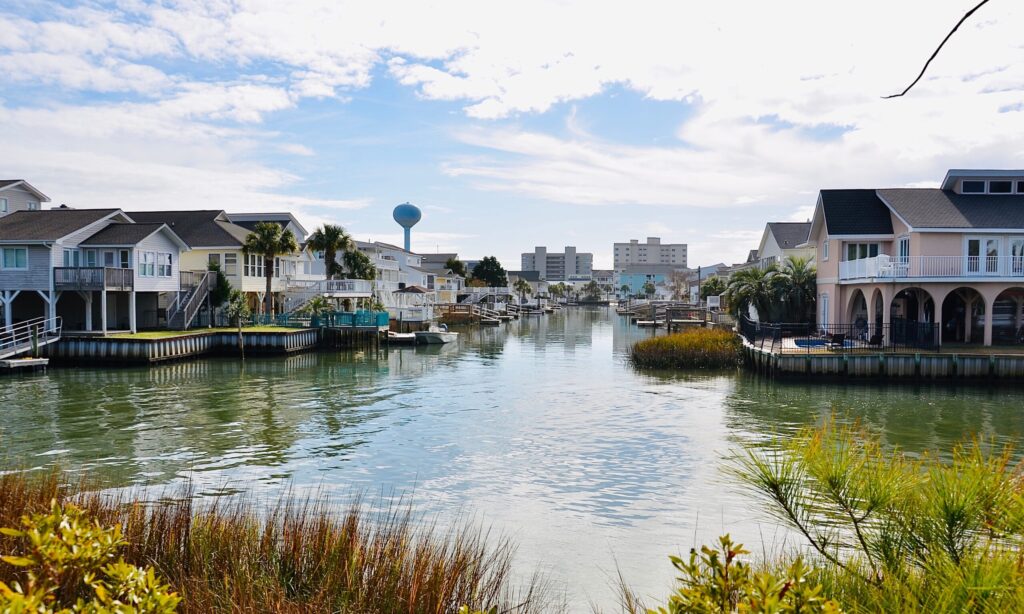
Know your Myrtle Beach home’s electrical issues better
Coastal living comes with a unique set of challenges when it comes to your home’s electrical system. Salt air accelerates corrosion on wiring, outlets, and electrical panels.
Humidity can work its way into connections and degrade insulation over time. And older coastal properties often carry decades of patchwork electrical work that may not meet current safety standards. At Beach Air, we see the effects of coastal conditions on home systems every day.
Here’s what to watch for when it comes to the electrical health of your home.
1. Circuit Breakers That Won’t Stay Reset
If you reset a tripped breaker and it trips again almost immediately, or if it continues tripping under normal load conditions, the problem goes deeper than a simple overload. This can indicate a short circuit, a ground fault, or a failing breaker itself, all of which require professional diagnosis. In coastal environments, corrosion on breaker contacts can cause false trips or, more dangerously, breakers that fail to trip when they should.
2. Flickering Lights Throughout the Home
If lights flicker in multiple rooms or when large appliances cycle on, you may have a loose main service connection, an overloaded panel, or deteriorating wiring. In older coastal homes, salt air can corrode wire connections over time, creating resistance at connection points that generates heat and leads to flickering. What starts as a nuisance can progress into a genuine fire hazard if left unaddressed.
3. Corrosion Around Outlets, Panels, or Junction Boxes
This is one of the most distinctly coastal electrical concerns. Visible green or white corrosion on outlets, in your electrical panel, or on any exposed wiring is a serious warning sign. Corroded connections increase electrical resistance, generate heat, and can cause arcing, a leading cause of electrical fires. Homes near the ocean should have their electrical systems inspected more frequently than those further inland, simply due to the accelerated wear that salt air causes.
4. GFCI Outlets That Trip Frequently or Won’t Reset
Ground Fault Circuit Interrupter outlets, the ones with the test/reset buttons typically found in bathrooms, kitchens, garages, and outdoor areas, are designed to protect against shock in wet environments. If yours trip frequently or refuse to reset, it could indicate a ground fault in the wiring, moisture intrusion into an outlet box, or a failing GFCI device itself. In a coastal home where humidity is a constant factor, GFCI functionality is especially critical.
5. Warm Outlets, Discoloration, or Burning Smells
Outlets and switches should always be at or near room temperature. Warmth, heat, or visible discoloration such as charring, yellowing, or burn marks around a faceplate indicates that dangerous heat is being generated at that connection point. A burning smell, even one that comes and goes, should be treated as an emergency. These signs often mean arcing is occurring inside the wall, which can ignite surrounding materials without any other visible warning.
6. Aluminum Wiring or Knob-and-Tube Wiring
Many older coastal homes, particularly those built in the mid-20th century, may still contain original wiring systems that are no longer considered safe by modern standards. Aluminum wiring, common in homes built in the 1960s and 70s, is prone to loosening at connection points over time. Knob-and-tube wiring, found in even older homes, lacks the grounding and insulation required today. If you’re unsure what type of wiring your home has, a licensed electrician can assess it quickly.
7. Outlets Without GFCI Protection in Wet Areas
Current electrical codes require GFCI-protected outlets in any area where water is present or nearby, including bathrooms, kitchens, laundry rooms, garages, outdoor areas, and near pools or docks. If your coastal home still has standard outlets in these locations, it’s a safety upgrade that should be made sooner rather than later. This is especially important in older beach houses and vacation properties that may not have been updated in years.
8. An Electrical Panel Showing Its Age
If your home’s electrical panel hasn’t been evaluated in the last decade, or ever to your knowledge, it’s time. Panels in coastal environments are subject to corrosion and moisture intrusion that can compromise their function. If your panel uses fuses instead of breakers, shows rust or moisture, feels warm to the touch, or is a brand known to have reliability issues, have it professionally assessed without delay.
Coastal Homes Deserve Coastal-Savvy Service
At Beach Air, we understand that maintaining a safe, functional home on the coast requires vigilance, especially with systems like electrical and HVAC that are constantly exposed to the elements. We work closely with licensed electricians in our service area and are always happy to help our customers identify the right professionals for the job.
Have questions about your home’s systems? Contact Beach Air today, we’re here to help.
Contact Us / Request a Quote
Posted on Google
 Cynthia I
Trustindex verifies that the original source of the review is Google.
Jonathon was right on time and solved my plumbing issue quickly I am always happy with Beach AirPosted on Google Gary FThey came in to do an estimate to the Ac unit They were very knowledgeable and professionalPosted on Google
 G LGood knowledgeable tech who spent the time Needed to diagnose problemPosted on Google
 Nancy DVery courteous, professional and informative. Very happy with the servicePosted on Google
 Lou SLukas was quite friendly and personable but got to work on the heat pump fall maintenance check right away. He took time to look in the outside area that houses the condenser, cleaned out some gunk and got pipes flowing again. We are grateful that this service could be scheduled in our limited window of time at our vacation home.Posted on Google
 Lori GThorough inspection of hvac by Dylan. Would recommend.Posted on Google
 Cecil LFast friendly service. Great tech. Good person to represent Beach AirPosted on Google
 Wendy BWayne is outstanding! He’s definitely a huge asset to your company!! Can’t say thanks enough!!