
Spring HVAC Maintenance: A Homeowner’s Guide to Better Comfort and Efficiency
As temperatures start climbing and winter fades, many homeowners focus on spring cleaning, yard work, and enjoying fresh air through open windows. Before turning on your air conditioner for the season, there is one important task to add to your spring checklist: HVAC maintenance.
Skipping an annual HVAC tune-up can lead to higher costs and unexpected problems. When a heating and cooling system is not maintained, it works harder, consumes more energy, and wears out more quickly.
Systems that are not serviced regularly are also more likely to fail during the hottest days of summer when they are needed most. The good news is that a professional spring HVAC inspection is quick, affordable, and can prevent expensive repairs.
Why Spring Maintenance is Important
Your HVAC system, whether it is a central air conditioner, heat pump, ductless mini split, or furnace and AC combination, operates for thousands of hours each year. It regulates indoor temperature and filters the air inside your home regardless of outdoor conditions.
Without regular maintenance, homeowners often experience several common problems:
- Higher energy bills because poorly maintained systems use significantly more power.
- Shorter system lifespan since neglected systems wear out faster.
- Poor indoor air quality caused by dirty filters, coils, and ductwork.
- Unexpected breakdowns during peak summer heat.
- Potential warranty issues when required annual service is not documented.

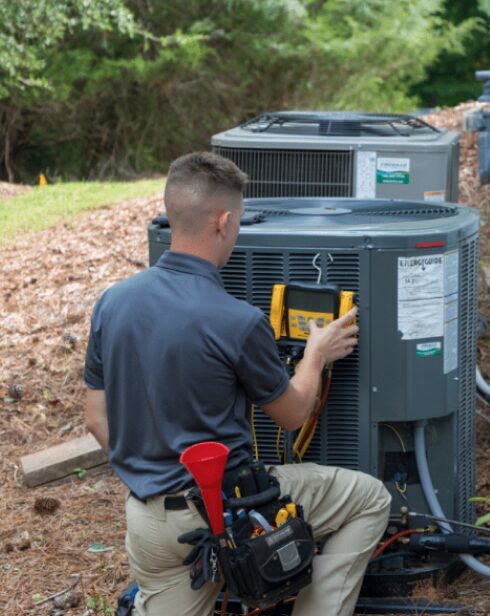
What Happens During a Professional Spring HVAC Tune-Up
A professional HVAC technician performs a detailed inspection and service visit that covers many parts of your system. Typical maintenance includes the following tasks:
Air Conditioner and Cooling System Service
- Inspect and clean evaporator and condenser coils
- Check refrigerant levels and inspect for leaks
- Replace or clean air filters
- Inspect and clear the condensate drain line
- Test thermostat calibration and programming
- Lubricate moving parts such as fan motors and blower components
- Inspect electrical connections and tighten if needed
- Test capacitors and contactors
- Measure airflow across the evaporator coil
- Verify proper system cycling and performance
- Inspect ductwork for leaks or damage
Heat Pump Maintenance
- Check reversing valve operation
- Inspect auxiliary heat strips
- Test the defrost cycle
- Inspect refrigerant lines and insulation
- Clean outdoor coils and remove debris
The Importance of Air Filter Replacement
Replacing the air filter is one of the most important HVAC maintenance tasks homeowners can perform. A clogged filter can reduce efficiency, restrict airflow, and increase wear on your system.
Recommended replacement schedules include:
- 1 inch filters: every 30 days
- 2 inch filters: every 45 to 60 days
- 4 to 5 inch filters: every 6 to 12 months
- Homes with pets or allergies may require more frequent replacement
Spring HVAC Maintenance and Indoor Air Quality
Spring often brings increased pollen levels, mold spores, and higher humidity. Regular HVAC maintenance helps improve indoor air quality by:
- Cleaning coils where mold and bacteria may grow
- Clearing condensate drain lines
- Replacing dirty filters that trap allergens
- Identifying duct leaks that pull dust or pollutants into the system
- Inspecting air purification equipment
Warning Signs Your HVAC System Needs Attention
Common warning signs include:
- Warm air from vents when the AC is running
- Higher than normal energy bills
- Frequent on and off cycling
- Strange noises such as grinding or rattling
- Musty or burning odors
- Uneven cooling throughout the home
- Ice buildup on refrigerant lines
- Systems older than 10 to 15 years requiring frequent repairs
Maintenance Tasks Homeowners Can Perform
Homeowners can help maintain their system between professional visits by:
- Replacing air filters regularly
- Keeping the outdoor unit clear of debris
- Trimming vegetation around the condenser
- Gently cleaning outdoor coils with a hose
- Ensuring vents remain open and unobstructed
- Checking visible ductwork for gaps
Improving HVAC Efficiency and Lowering Energy Costs
Homeowners can improve efficiency and reduce cooling costs by:
- Programming thermostats to adjust temperatures when away
- Using ceiling fans for better airflow
- Sealing air leaks around windows and doors
- Adding attic insulation
- Scheduling annual HVAC maintenance
When to Schedule Spring HVAC Service
The ideal time to schedule spring HVAC service is between March and May before summer demand increases. Early scheduling makes it easier to secure appointments and address any needed repairs before the hottest weather arrives

Contact Us / Request a Quote
EXCELLENTTrustindex verifies that the original source of the review is Google. Cole was our service person, He greeted us with a smile. His professionalism and positive attitude was very much appreciated. I will definitely use Beach Air for all our HVAC needs And dryer vent cleaning.Posted onTrustindex verifies that the original source of the review is Google. They were quick to respond and were prompt with fixing my air conditioner. Thank you Beach AirPosted onTrustindex verifies that the original source of the review is Google. Professional, friendly service. Great Unit and Dylan was efficient, polite and respectful.Posted onTrustindex verifies that the original source of the review is Google. Beach Air has always been great, very knowledgeable and professional. Shout out to Dylan F for solving the issue quickly and explaining what had happened.Posted onTrustindex verifies that the original source of the review is Google. Annual maintenance scheduled and when Dylan asked if any issues I shared that I was concerned with the unit not hearing properly. Dylan, jumped into action by asking some specific questions, taking his time to thoroughly assess the unit (in attic), and then his amazing expertise in delivering the message of what was happening and drawing a diagram to help with explaining. Dylan is simply amazing and I’d recommend this company to anyone especially because of Dylan’s expertise, professionalism and sincerity!! Thank you Beach Air and especially thank you to Dylan!!Posted onTrustindex verifies that the original source of the review is Google. Dylan F was the technician that conducted routine HVAC maintenance on my unit. He was courteous, very knowledgeable and took time to explain his checklist as well as answer my questions. I was very pleased with this service.Posted onTrustindex verifies that the original source of the review is Google. Dylan F did amazing job!!! Very personable, knowledgeable and expedient!Posted onTrustindex verifies that the original source of the review is Google. Dylan F is phenomenal!!! Very personable! He came on February 2nd when we were having a problem with our heat. It happened to be the coldest time this year. Heat sensor needed replacing. He worked diligently fixing the problem. His attitude was great and he explained everything!! Our heat got fixed and works wonderfully.