Is Your HVAC System Trying to Tell You Something? Key Warning Signs Every Homeowner Should Know
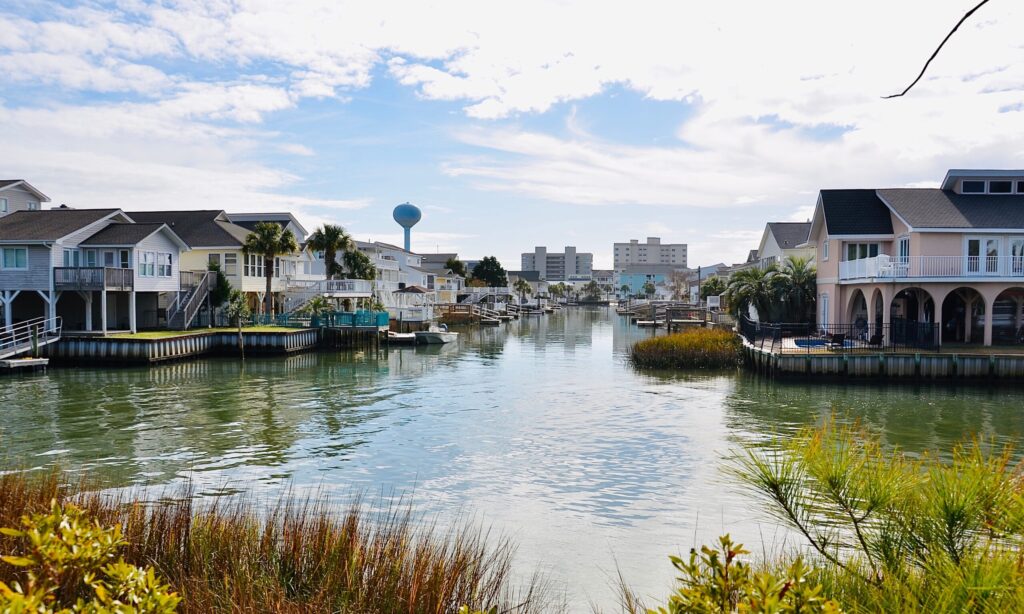
Key Warning Signs for HVAC Systems every Myrtle Beach homeowner should know.
Living near the coast comes with its own set of HVAC challenges, with salt air, humidity, and temperature swings can all take a toll on your heating and cooling system. At Beach Air, we specialize in keeping coastal homes comfortable year-round. Whether you’re dealing with a brand-new system or one that’s been running for years, knowing the early warning signs of HVAC trouble can save you time, money, and major headaches. Here’s what to watch for:
1. Strange Sounds You’ve Never Heard Before
Your HVAC system has a natural operating sound — a steady hum or a gentle whoosh of air. Anything that deviates from that baseline deserves attention. Squealing often points to a worn belt or bearing. Rattling may mean a loose panel or debris. Banging can indicate a broken component inside the unit. Coastal properties can also experience accelerated corrosion on metal components, which can cause premature wear. If something sounds off, Beach Air’s service team is just a call away.
2. Rooms That Can Never Seem to Reach the Right Temperature
Uneven temperatures throughout your home are a classic sign of HVAC trouble. If your living room is cool but your bedrooms stay warm, or vice versa, there may be ductwork issues, a failing zone control system, or a refrigerant problem. Coastal humidity can also affect how efficiently your system removes heat from the air. Our technicians can diagnose the cause and restore balanced comfort throughout your entire home.

3. Your Energy Bills Keep Climbing
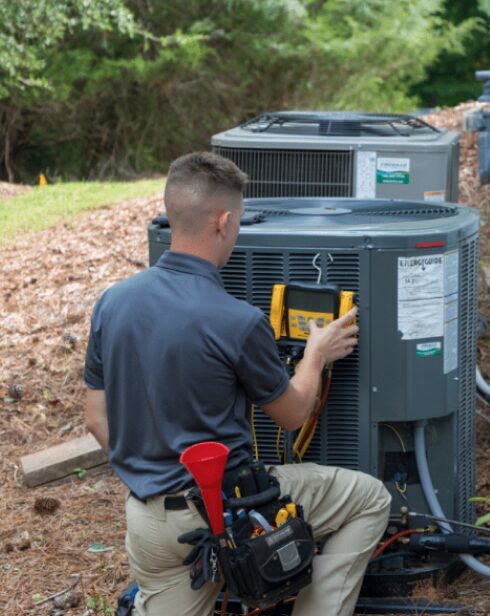
A sudden or steady increase in your monthly energy costs — especially when usage patterns haven’t changed — is often one of the first signs of an HVAC efficiency problem. Salt air can corrode condenser coils over time, reducing their ability to transfer heat efficiently. Dirty filters, low refrigerant, and aging components all contribute to an overworked system that costs more to run. Beach Air’s maintenance plans are specifically designed to address the unique demands of coastal HVAC systems.
4. Water Leaks or Moisture Around Your Unit
Some condensation around your AC unit is normal, but pooling water, ice formation on the coils, or moisture around the air handler is not. These issues can indicate a clogged condensate drain line, frozen evaporator coils, or a refrigerant leak. In humid coastal environments, moisture problems can escalate quickly — leading to mold growth and water damage. Don’t wait to address water where it doesn’t belong.
5. Musty, Stale, or Burning Odors
Odors from your vents are a red flag that should never be ignored. A musty smell almost always points to mold or mildew, which thrives in the warm, damp interior of ductwork — especially in coastal climates. A burning or electrical smell can indicate a serious mechanical issue. If you notice any unusual odors when your system is running, shut it off and call a professional immediately.
6. The System Is Running Constantly Without Meeting Target Temperature
If your AC runs non-stop on a hot day but your home still can’t reach the thermostat setting, there’s a problem. This can point to low refrigerant levels, a dirty or blocked condenser, poor insulation, or a system that’s simply undersized or too worn to handle the load. Constant running drives up your energy bill and accelerates component wear.
7. Thermostat Issues
Sometimes the problem isn’t the HVAC unit itself — it’s the thermostat. If your system doesn’t respond when you adjust settings, or if temperatures seem inaccurate, your thermostat may need recalibration or replacement. Upgrading to a smart thermostat can also dramatically improve comfort and efficiency.
Coastal HVAC Care You Can Count On
Beach Air understands the unique demands that coastal living places on your HVAC equipment. Our technicians are trained to identify and address issues specific to salt-air environments, high humidity, and the temperature fluctuations common along the coast. Don’t wait for a full breakdown to call us — early intervention is always more affordable than emergency repair.
Schedule your inspection with Beach Air today and breathe easy all season long.

Contact Us / Request a Quote
Posted on Google
 Cynthia I
Trustindex verifies that the original source of the review is Google.
Jonathon was right on time and solved my plumbing issue quickly I am always happy with Beach AirPosted on Google Gary FThey came in to do an estimate to the Ac unit They were very knowledgeable and professionalPosted on Google
 G LGood knowledgeable tech who spent the time Needed to diagnose problemPosted on Google
 Nancy DVery courteous, professional and informative. Very happy with the servicePosted on Google
 Lou SLukas was quite friendly and personable but got to work on the heat pump fall maintenance check right away. He took time to look in the outside area that houses the condenser, cleaned out some gunk and got pipes flowing again. We are grateful that this service could be scheduled in our limited window of time at our vacation home.Posted on Google
 Lori GThorough inspection of hvac by Dylan. Would recommend.Posted on Google
 Cecil LFast friendly service. Great tech. Good person to represent Beach AirPosted on Google
 Wendy BWayne is outstanding! He’s definitely a huge asset to your company!! Can’t say thanks enough!!